
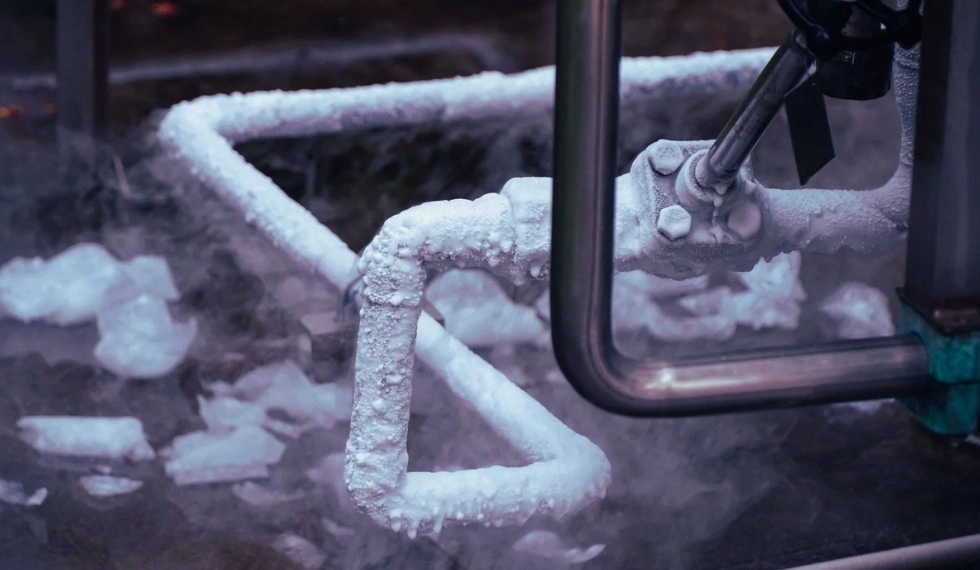
Colorado winters don’t just get cold — they swing. A hard freeze overnight followed by a sunny 45-degree afternoon is normal here, and that freeze-thaw cycle is exactly what stresses pipes the most. Learning how to winterize plumbing in Colorado now, before the first hard freeze, is far cheaper than repairing a burst pipe in January.
Here’s what actually works to prevent frozen pipes in an Aurora, CO home, and what to do if you’re already too late.
Quick Answer
To winterize plumbing in Colorado, insulate exposed pipes in unheated areas, disconnect outdoor hoses, let faucets drip on the coldest nights, keep your thermostat above 55°F even when away, and seal gaps near pipe entry points. Pipes are most at risk in garages, crawl spaces, and exterior walls.
In This Article
Why Colorado Pipes Are at Risk
Unlike a steady deep freeze, Colorado’s repeated freeze-thaw pattern puts extra strain on pipes and fittings. Ground and materials expand and contract over and over through the season, which weakens joints that a one-time freeze wouldn’t touch.
Homes with crawl spaces, unheated garages, or older original plumbing in neighborhoods around Aurora are especially exposed. Newer builds aren’t immune either poorly insulated exterior walls can still let a pipe run cold enough to freeze.
Insulate Exposed Pipes
This is the single most effective step for burst pipe prevention in Aurora, CO.
- Wrap pipes in unheated spaces — garages, attics, crawl spaces, basements — with foam pipe insulation sleeves.
- Pay extra attention to pipes running along exterior walls.
- Use heat tape on pipes in especially cold or drafty areas, following the manufacturer’s instructions closely.
Outdoor Prep Before the First Freeze
Handle these before overnight temperatures start dropping below freezing:
- Disconnect and drain garden hoses.
- Shut off and drain outdoor faucets using the interior shutoff valve, if your home has one.
- Install faucet covers on any exposed exterior spigots.
- Drain and blow out irrigation lines before the ground freezes.
Not sure your home is ready for winter? We’ll check it for you.
Indoor Habits That Prevent Freezing
- Keep your thermostat above 55°F, even when you’re traveling or the house is empty.
- Let faucets drip on the coldest nights, especially any served by pipes on an exterior wall — moving water is less likely to freeze.
- Open cabinet doors under kitchen and bathroom sinks so warm household air can reach the pipes.
- Seal gaps and cracks near where pipes enter your home, since cold air sneaking in is often the real cause of an indoor freeze.
Signs of a Frozen Pipe
Catching a frozen pipe before it bursts saves you a much bigger repair. Watch for:
- No water, or only a trickle, from a specific faucet
- Frost visible on an exposed section of pipe
- Strange odors coming from a drain or faucet (a sign of a blockage caused by ice)
- Bulging or visibly strained sections of pipe
How to Thaw a Pipe Safely
If you catch a frozen pipe early, before it bursts, here’s how to thaw it without causing damage:
- Open the faucet connected to the frozen section so water can flow once it melts.
- Apply gentle heat with a hair dryer, heating pad, or towels soaked in hot water, working from the faucet end toward the blockage.
- Never use an open flame, blowtorch, or space heater directly on a pipe — this is a fire risk and can damage the pipe further.
- If you can’t locate the frozen section, or water still won’t flow after 30–45 minutes, call a plumber before the pressure buildup causes a break.
Already have a burst pipe? Shut off your main water valve immediately and call for emergency repair; see our checklist for what to do before a plumber arrives.
Frequently Asked Questions
At what temperature do pipes freeze?
Pipes are at risk once outdoor temperatures drop to around 20°F or below, especially in uninsulated areas. Indoor pipes near exterior walls can freeze even sooner if there’s a draft.
How do I know if my pipes are frozen?
Little to no water coming from a faucet, frost on a visible pipe, or an odd smell from a drain are the most common signs. Check the coldest areas of your home first.
Should I let my faucet drip overnight in winter?
Yes, on the coldest nights. A slow, steady drip keeps water moving through the pipe, which lowers the chance it will freeze solid.
How do I thaw a frozen pipe safely?
Apply gentle heat with a hair dryer or warm towels, working toward the blockage, and open the faucet so water can flow once it melts. Never use an open flame.
Can frozen pipes burst even if they don’t visibly leak?
Yes. A frozen pipe can crack internally without an obvious leak at first, and the break may only become visible once the ice melts and pressure returns to normal.
How much does it cost to repair a burst pipe?
Cost depends on the pipe’s location and the extent of water damage. Grig Plumbing provides a free estimate and upfront pricing before any repair begins.
Licensed, insured, and ready to respond fast across Aurora, CO.
About the Author
Grig Plumbing is a licensed and insured plumbing company serving Aurora, CO and the greater Denver metro area, specializing in emergency plumbing, pipe repair, water heater services, and winterization.